FiltersEvolution SystemFurnace 90%Furnace 80%Air ConditioningGeothermalHeat PumpsZoningHumidifiersAir ExchangersIndoor Air QualityControlsHydronic HeatGarage HeatersFireplacesCustom Sheet Metal
Bryant FiltersAprilaire FiltersHoneywell FiltersHealthy Climate Filters1" Wide Furnace Filters2" Wide Furnace Filters4" Wide Furnace FiltersBreatheCLEAN BulbsFurnace Diamond Vent ScreensShopping Cart
Request Service or Tune-UpOur ServicesMaintenance TipsBefore You Call UsRequest an EstimateService Area
Hot Deals2010 Tax Credit
About Heating & Cooling TwoUpdate on Suburban AirBuildersHomeownerTestimonialsCommercialsHomeTime SegmentAffiliationsService AreaJoin Our Newsletter

Geothermal

What is a Geothermal Heat Pump,
and How Does it Work?


Q: What is a geothermal heat pump?
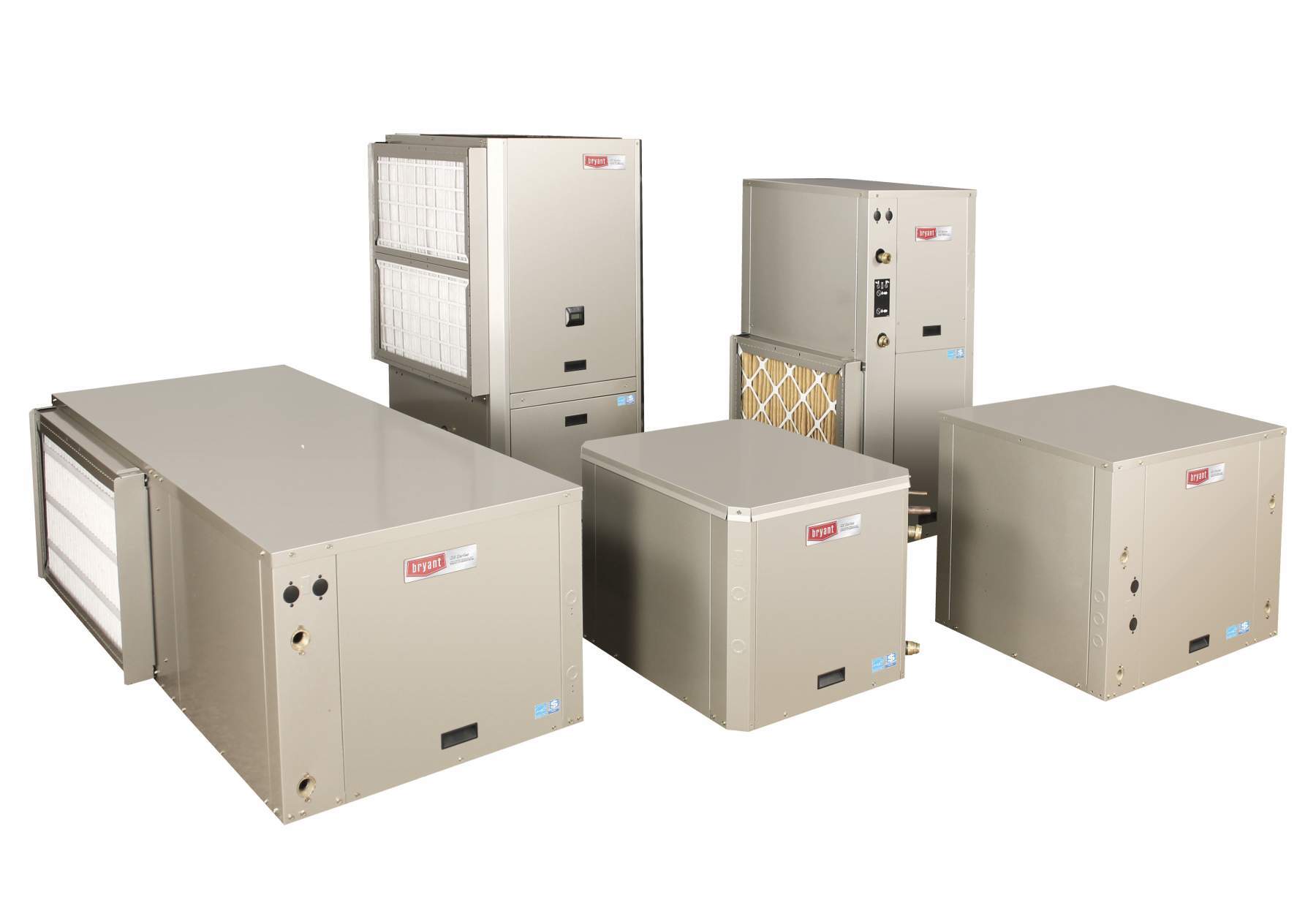
A: A geothermal or “ground-source” heat pump is an electrically powered device that uses the natural heat storage ability of the earth and/or the earth’s groundwater to heat and cool your home or business.

Q: How does it work?
A: Like any type of heat pump, it simply moves heat energy form one place to another. Your refrigerator works using the same scientific principle. (See “How is a geothermal heat pump like a refrigerator?” below.) By using refrigeration, the geothermal heat pump removes heat energy stored in the earth and/or the earth’s groundwater and transfers it to the home.

Q: How is heat transferred between the earth and the home?
A: The earth has the ability to absorb and store heat energy. To use that stored energy, heat is extracted from the earth through a liquid medium (water or an anti-freeze solution) and is pumped to the heat pump heat exchanger. There, the heat is used to heat your home. In summer the process is reversed and indoor heat is extracted from your home and transferred to the earth through the liquid.

Q: You mentioned heating and cooling. Does it do both?
A: One of the things that makes a heat pump so versatile is its ability to be a heating and cooling system in one. You can change from one mode to another with a simple fl ick of a switch on your indoor thermostat. Plus, a geothermal heat pump can assist in heating hot water year-round.

Q: Do I need separate ground loops for heating and cooling?
A: No. The same loop works for both. All that happens when changing from heating to cooling, or vise versa, is that the fl ow of heat is reversed inside the unit.

Q: What types of loops are available?
A: There are two main types: open and closed. Both of these loops will be addressed later in the brochure.

Q: Does the underground pipe system really work?
A: The buried pipe, or “ground loop”, is the biggest technical advancement in heat pump technology to date. The idea to bury pipe in the ground to gather heat energy began in the 1940s. But it’s only been in the last twenty-fi ve years that new heat pump designs and improved pipe materials have been combined to make geothermal heat pumps the most effi cient heating and cooling systems available.

Invest in the savings


Geothermal Heat Pumps: Closed-Loop Systems

Q: What is a closed-loop system?
A: The term “closed-loop” is used to describe a geothermal heat pump system that uses a continuous loop of special buried plastic pipe as a heat exchanger. The pipe is connected to the indoor heat pump to form a sealed, underground loop through which water or an anti-freeze solution - depending on where you live - is circulated. Unlike an open-loop system that consumes water from a well, a closed-loop system recirculates its heat transferring solution in pressurized pipe.

Q: Where can this loop be located?
A: That depends on land availability and terrain. Closed-loops are trenched horizontally in yards adjacent to the home if the yard is large enough. Or, for smaller yards, the loops can be installed vertically using a drill rig, much like a water well installation.

Q: How deep and long will my horizontal trenches be?
A: Trenches are normally four to six feet deep [1.2 - 1.8 meters]. One of the advantages of a horizontal loop system is being able to lay the trenches according to the shape of the land. As a rule of thumb, 125 - 300 feet of trench are required per ton of heat pump capacity [11 - 27 meters per kW of capacity].

Q: How many pipes are in a trench?
A: Anywhere from 1 to 6 pipes per trench may be used, depending upon the optimal design for the yard. More pipe per trench shortens the total amount of trench required.

Q: What if I don’t have enough room for a horizontal loop?
A: Closed-loop systems can also be vertical. Holes are bored to about 150 - 300 feet per ton of heat pump capacity [13 - 27 meters per kW of capacity]. U-shaped loops of pipe are inserted in the holes. The holes are then back-fi lled with a sealing solution (grouting material).

Q: How long will the loop pipe last?
A: Closed-loop systems should only be installed using the appropriate high-density polyethylene pipe. Properly installed, these pipes will last over 50 years. They are inert to chemicals normally found in soil and have good heat conducting properties. PVC pipe should not be used under any circumstances.

geothermal


Q: How are the buried pipe sections of the loop joined?
A: The only acceptable method to connect pipe sections is by thermal fusion. Pipe connections are heated and fused together to form a joint stronger than the original pipe. Mechanical joining of pipe for an earth loop is never an accepted practice. The use of barbed fi ttings, clamps and glued joints is certain to result in loop failure due to leaks.

Q: Will an earth loop affect my lawn or landscape?
A: No. Research has proven that loops have no adverse effect on grass, trees or shrubs. Most horizontal  loop installations use trenches about 3 feet [1 meter] or less wide. This, of course, will leave temporary bare areas that can be restored with grass seed or sod. Vertical loops require little space and result in minimal lawn damage.

Q: Can I reclaim heat from my septic system disposal field?
A: No. Depending upon your geographic location, an earth loop will reach temperatures below freezing during extreme conditions and may freeze your septic system. Such usage is banned in many areas.

Q: If the loop falls below freezing, will it hurt the system?
A: No. The antifreeze solution used in loops that operate at low temperatures will keep it from freezing down to about 15°F [-9°C] fluid temperature. In the U.S. and Canada, three types of antifreeze solution are acceptable: propylene glycol, methyl alcohol, and ethyl alcohol. Some states/provinces may require one type over another

Q: Can I install an earth loop myself?
A: It’s not recommended. In addition to thermal fusion of the pipe, good pipe-to-soil contact is very important for successful loop operation. Nonprofessional installations may result in less than optimum heat pump performance.

Q: I have a pond near my home. Can I put a loop in it?
A: Yes, if it’s deep enough and large enough. A minimum of 8 - 10 feet [2.5 - 3 meters] in depth at its lowest level during the year is needed for a pond to be considered. In pond loops, polyethylene pipe must be used. Generally, a minimum of 1/2 acre [0.2 hectare] pond is required to provide adequate surface area for heat transfer.